Z-Image-Turbo: Fast Text-to-Image Model with Bilingual Support
Edited by Segmind Team on December 1, 2025.
What is Z-Image-Turbo?
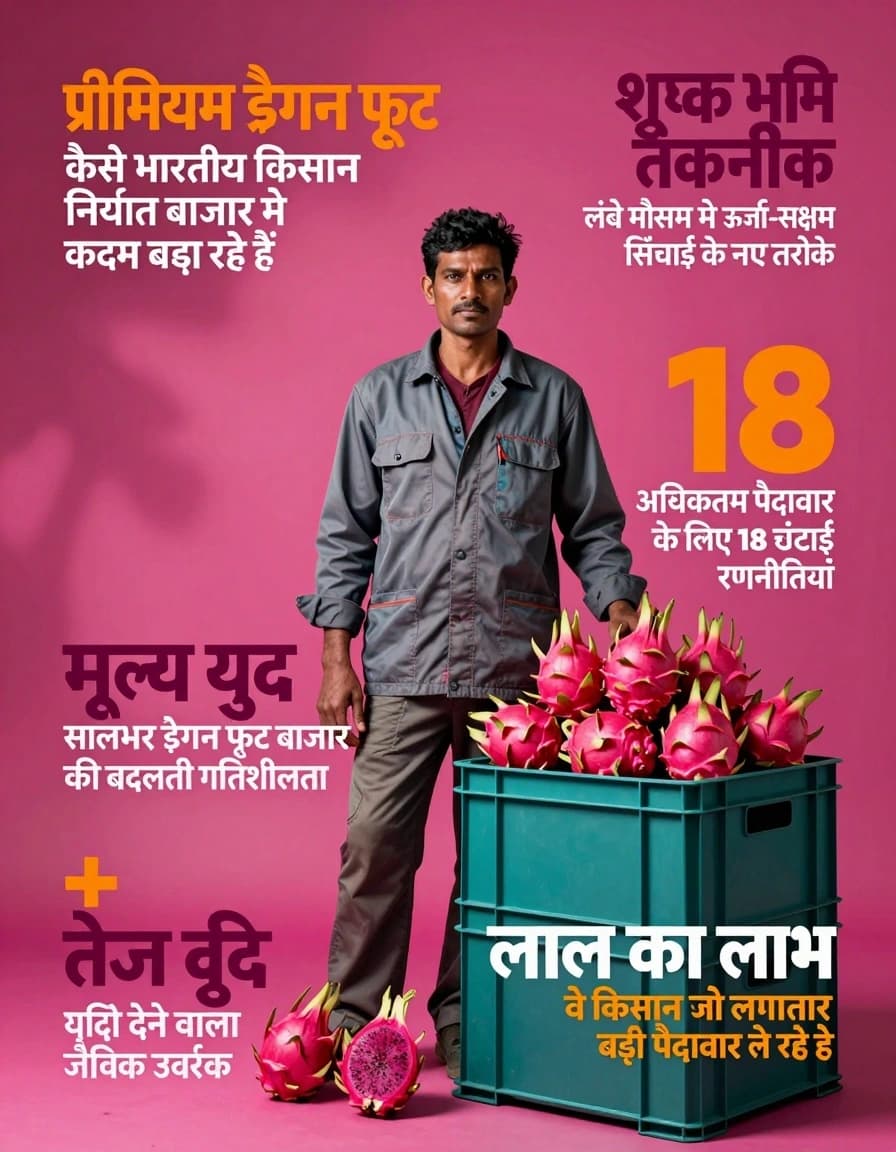
Z-Image-Turbo is a high-speed text-to-image generation model from Tongyi-MAI; it is built on a 6‑billion‑parameter single-stream diffusion transformer architecture. The model is a member of the Z-Image family, and this version delivers photorealistic results in under a second for rapid iterations. Z-Image-Turbo is designed to run efficiently on consumer-grade GPUs, so developers and small teams can achieve professional-quality AI image generation without specialized hardware, setting it apart from many contemporary image models that require complex computational infrastructure or resources. It also provides native bilingual support for English and Chinese text in generated images, making it an invaluable asset for global applications and multilingual content workflows.
Key Features of Z-Image-Turbo
- Sub-second generation speed with as few as 10 inference steps for high-quality results
- Bilingual text rendering that supports English and Chinese characters in generated images
- 6-billion parameter architecture balancing model capability with resource efficiency
- Consumer GPU compatibility that enables local deployment without enterprise infrastructure
- Advanced distillation techniques and reinforcement learning optimization for enhanced output quality
- Flexible resolution support ranging from 256×256 to 2048×2048 pixels for desired image output quality
- Multiple output formats, including JPEG, PNG, and WebP, which offer flexibility with adjustable quality settings
Best Use Cases
Z-Image-Turbo excels in rapid iteration and bilingual content generation, making it an asset for:
- Marketing teams as they can quickly prototype visual concepts for campaigns targeting a global audience, especially the English and Chinese speakers.
- Game developers benefit from fast asset generation during prototyping phases.
- E-commerce platforms can design product mockups and lifestyle imagery at scale.
- Real-time applications such as interactive design tools or chatbot-integrated image generation.
- Content creators can produce multilingual social media content utilizing its accurate text rendering, eliminating the need for post-generation text overlays.
Prompt Tips and Output Quality
- For optimal results, use descriptive prompts with clear subject, style, and composition details.
- Utilise the steps parameter: 10 steps for quick previews and 40-50 steps for production-ready images.
- Implement guidance scale to control prompt adherence: values around 5 provide creative freedom, and values of 8-10 enforce strict interpretation of the prompt.
- For images with text, specify the language and text placement clearly; for example - "A Chinese restaurant sign saying '美食天堂' in glowing neon".
- For consistent results across iterations, set a fixed seed value; use -1 for random variation.
- Adjust the height and width in 64-pixel increments: 512×512 for web use, while 1024×1024 or higher suits print materials.
FAQs
Is Z-Image-Turbo open-source?
Z-Image-Turbo is part of the Z-Image family, which includes Z-Image-Base, designed specifically for community fine-tuning, offering robust support for open development and customization.
How does it differ from other text-to-image models?
Z-Image-Turbo offers exceptional speed (sub-second generation), native bilingual text support (English and Chinese), and optimization for consumer GPUs. Therefore, Z-Image-Turbo distinguishes itself from most competing models that require more inference steps or enterprise-grade hardware for comparable quality.
What parameters should I tweak for the best results?
Start with 10-20 steps and a guidance scale of 5; increase steps to 40-50 for final outputs. You can adjust the guidance scale higher (7-10) if the model isn't following your prompt closely, or lower the scale (3-5) for more creative interpretation.
Can I generate images with Chinese text?
Yes, Z-Image-Turbo supports bilingual text rendering; you may specify Chinese characters directly in the prompt to accurately generate text elements in images.
What resolution should I use for different applications?
Use '512×512' for social media and web previews; '1024×1024' for detailed digital content; and '2048×2048' for print-quality materials. Furthermore, higher resolutions require more inference steps for the best quality.
What image format should I choose?
Choose 'JPEG' for broad compatibility and smaller file sizes; go with 'PNG' for images that need transparency or lossless quality; and 'WebP' will render the best compression-to-quality ratio in modern web applications.
Popular Models