Kling O1: Multimodal Video Generation and Editing Model
Edited by Segmind Team on January 7, 2026.
What is Kling O1?
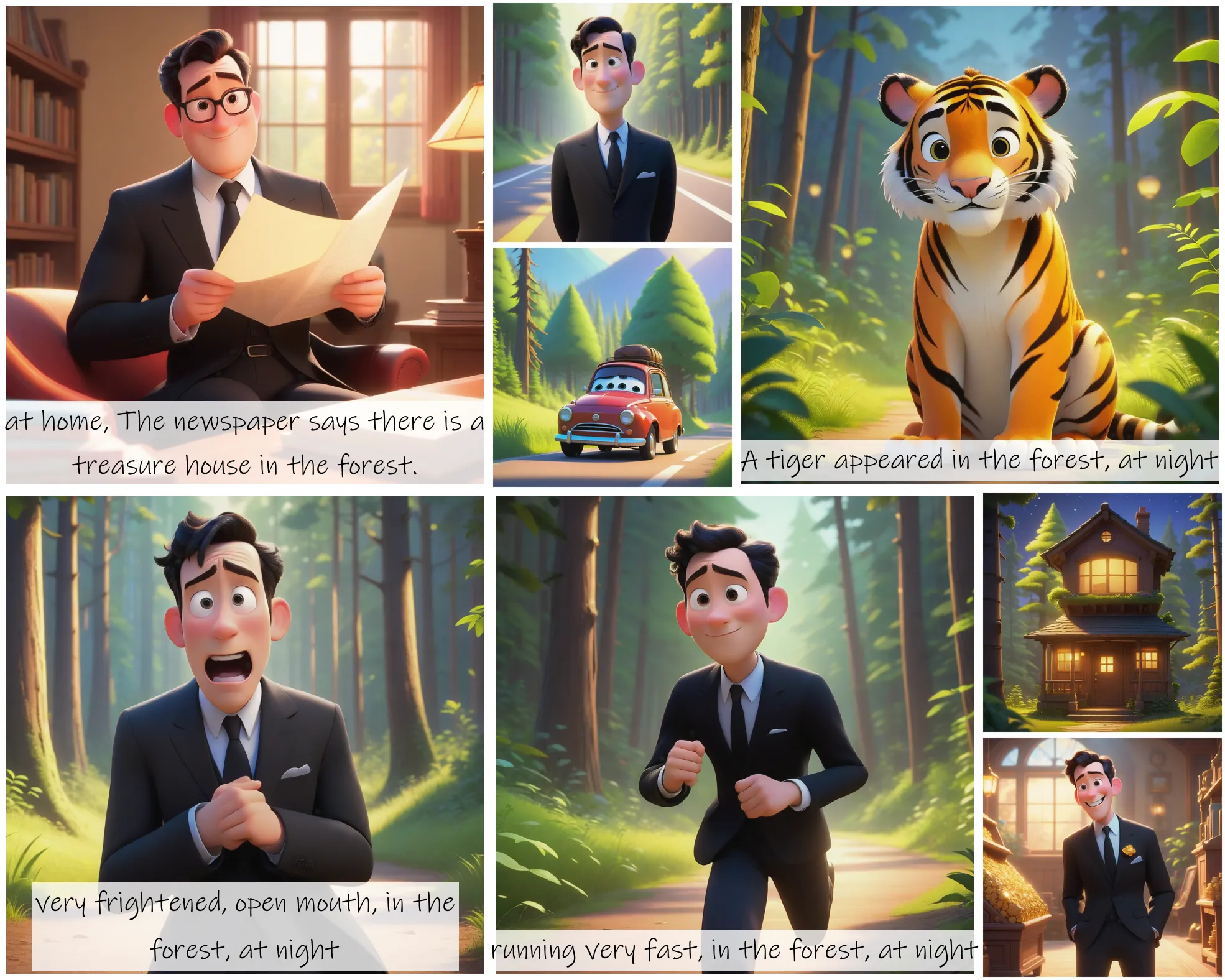
Kling O1 is a next-generation AI model that unifies video generation and editing within a single Multimodal Visual Language (MVL ) framework. It combines language comprehension, image analysis, motion tracking, and video manipulation in a single cohesive workflow, making it far superior to conventional video AI tools that treat creation and editing as separate processes. It is a perfect model for developers, content creators, and production teams as they can utilize it to produce and edit cinematic-level videos from text prompts, reference images, or motion data, while ensuring consistent characters, stable environments, and smooth camera movement. Furthermore, Kling O1's standout 'Edit mode' empowers users to refine or transform existing footage through simple text commands and visual cues, removing the need for manual masking or tedious frame-by-frame correction.
Key Features of Kling O1
- Multimodal Input Processing: It accepts text prompts, multiple image references (@Image1, @Image2, etc.), and motion data simultaneously.
- Unified Generation and Editing: It is capable of creating new video content from scratch or modifying existing footage within the same system.
- Character & Environment Consistency: It effectively maintains stable visual elements across frames for professional storytelling.
- Natural Camera Movements: It generates smooth, cinematic camera transitions without manual keyframing.
- Text-Based Editing: It seamlessly modifies real footage using natural language commands and image references, therefore, eliminating the need for masking.
- Flexible Output Options: It supports multiple aspect ratios (16:9, 9:16, 1:1, auto-detect) and formats (PNG for quality, JPG for efficiency).
Best Use Cases
- Content Creation: YouTube creators and social media producers can use this model to generate and edit video content rapidly without expensive equipment or complex software.
- Fashion and E-commerce: It is an incredible tool to integrate product images into dynamic videos, create lifestyle content, and produce campaign materials at scale.
- Advertising & Marketing: It can quickly prototype video ads, modify existing footage for A/B testing, and create localized content variations.
- Filmmaking & Previsualization: It becomes an asset to generate storyboard animatics, test scene compositions, and preview camera movements before production.
- Education & Training: It is perfect to develop instructional videos by combining reference materials, text explanations, and visual demonstrations.
Prompt Tips and Output Quality
-
Reference Image Strategy: Use the @Image notation system effectively: to combine multiple images, specify their relationships clearly, i.e., "Place character from @Image1 in the background environment of @Image2 with lighting from @Image3."
-
Descriptive Prompts: The prompts should be direct and clear: include camera movements, lighting conditions, and temporal information. Therefore, instead of "person walking," write a detailed prompt such as "medium shot tracking a person walking through a forest at golden hour, camera dollying alongside."
-
Aspect Ratio Selection: Choose aspect ratios based on the platform where the video has to be shared: 16:9 for YouTube and web content; 9:16 for Instagram Stories and TikTok; 1:1 for feed posts. Additionally, use the "auto" option when working with existing footage to maintain original dimensions.
-
Resolution & Format: The 1K resolution balances quality with processing speed; select PNG format when preserving fine details matters (final deliverables), and JPG when file size is critical (previews, rapid iterations).
-
Editing Mode: During the modification of existing videos, describe only the changes you want: "Replace the sky in this footage with sunset colors" rather than writing the entire scene.
FAQs
Is Kling O1 open-source?
Kling O1 is a proprietary model available through the Segmind API. Though it is not open-source, it offers accessible API access for developers to integrate video generation and editing into their applications.
How does Kling O1 differ from other video generation models?
Kling O1 unifies video generation and editing capabilities through MVL architecture, which makes it a better model than most of the conventional options that only generate video from text or separate editing tools. Therefore, it handles multimodal inputs simultaneously and offers text-based editing without manual masking.
What's the difference between generation mode and edit mode?
Generation mode creates new video content from scratch using prompts and references. Edit mode modifies existing video footage using text descriptions and image references, automatically identifying and adjusting specified elements without requiring manual selection or masking.
How many reference images can I use in a single prompt?
Kling O1 supports multiple images in the prompt using the image_urls parameter and referencing them as @Image1, @Image2, and so on. The model processes these references simultaneously, enabling complex compositions that seamlessly blend characters, environments, and style elements to generate cinematic-quality visuals.
What aspect ratio should I use for different platforms?
The model supports multiple aspect ratios: use 16:9 for YouTube, web video, and horizontal content; 9:16 for Instagram Reels, TikTok, and Stories; 1:1 for Instagram feed posts and LinkedIn. Also, the "auto" setting detects and preserves the aspect ratio of input images or footage.
Can I adjust output quality without changing resolution?
Yes, it is possible to adjust the output quality: choose PNG format for maximum quality with larger file sizes, as it is ideal for final outputs and archival. On the other hand, selecting JPG is recommended for smaller files with minor quality trade-offs, as it is perfect for previews, iterations, and bandwidth-sensitive applications.
Popular Models