Kling Omni Video O1: Image-to-Video Model (Standard)
Edited by Segmind Team on January 16, 2026.
What is Kling Omni Video O1?
Kling Omni Video O1 stands out as a cutting-edge image-to-video model, designed by WaveSpeedAI, which seamlessly converts plain images into dynamic, cinematic-level videos that maintain impressive visual fidelity. It works exceptionally well to keep the core identity of the subject intact, while it introduces lifelike movement, authentic physics, and seamless transitions. Kling Omni Video O1 is an asset for developers who want to scale up video creation pipelines since it can handle videos ranging from 5 to 10 seconds and runs using a robust, production-grade REST API, ensuring there are no cold start delays.
Key Features of Kling Omni Video O1
- Identity-Preserving Animation: It maintains the subject's appearance and characteristics throughout the generated video.
- Multi-Image Reference Support: It combines multiple input images to create complex scenes with specific elements.
- Natural Motion Physics: It generates realistic movement patterns, camera dynamics, and scene transitions.
- Flexible Video Duration: It offers the options for 5-second clips or 10-second extended sequences.
- Multiple Aspect Ratios: It supports 16:9 (widescreen), 9:16 (vertical), and 1:1 (square) formats.
- Fast, Stable API: It has a production-optimized API with consistent response times and no initialization delays.
Best Use Cases
- Content Creation: It is a powerful tool to animate product photos, brand mascots, or marketing assets into engaging videos for social media and advertising campaigns.
- E-commerce: It can be utilized to transform static product images into dynamic videos, showing products being used or from multiple angles.
- Entertainment & Media: It can be a perfect option to create character animations, scene transitions, or visual effects by transforming concept art and storyboards to lifelike visual assets.
- Education & Training: It can seamlessly convert instructional diagrams, historical photos, or scientific illustrations into explanatory video sequences.
Prompt Tips and Output Quality
-
Implement Image Reference Strategy by using landscape images for establishing wide shots and detailed close-ups for focal elements. The model can blend multiple images; reference them with @Image1, @Image2 (and so on...) notation in the prompt.
-
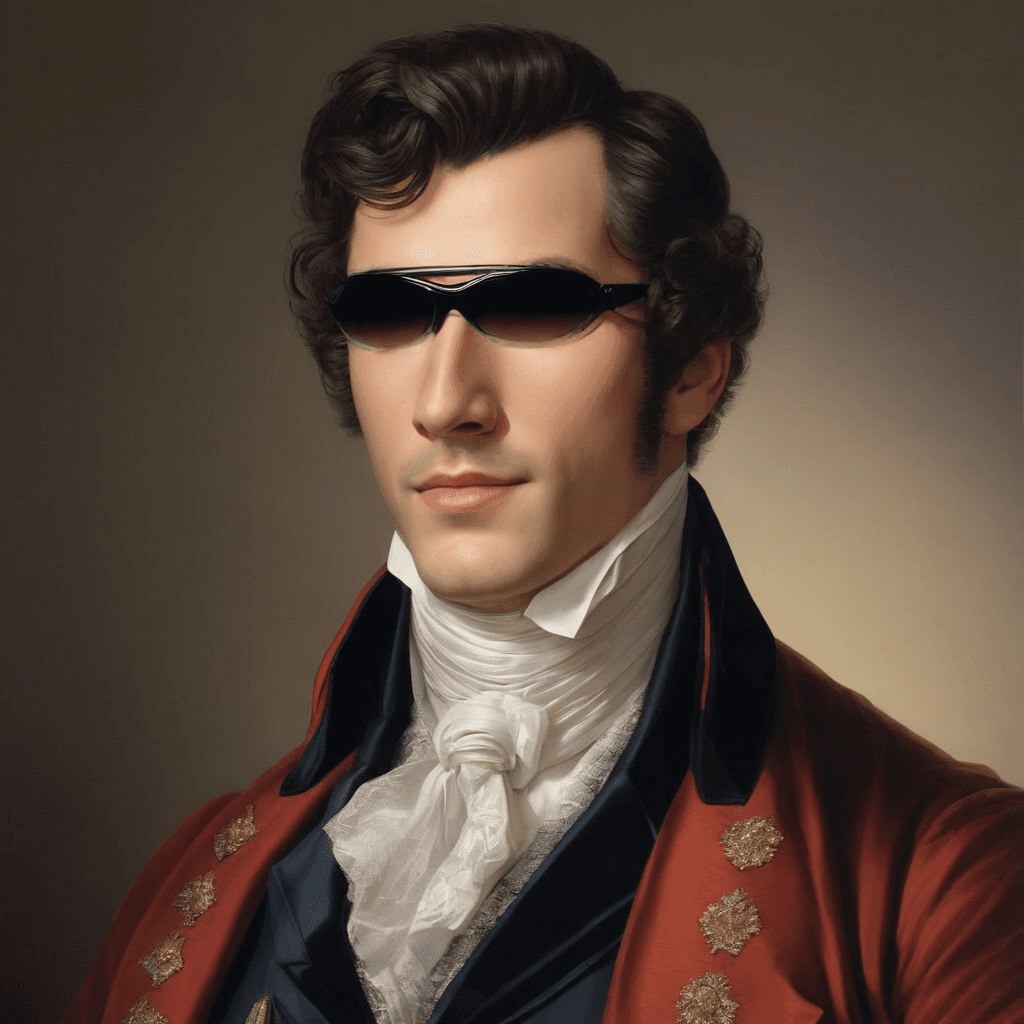
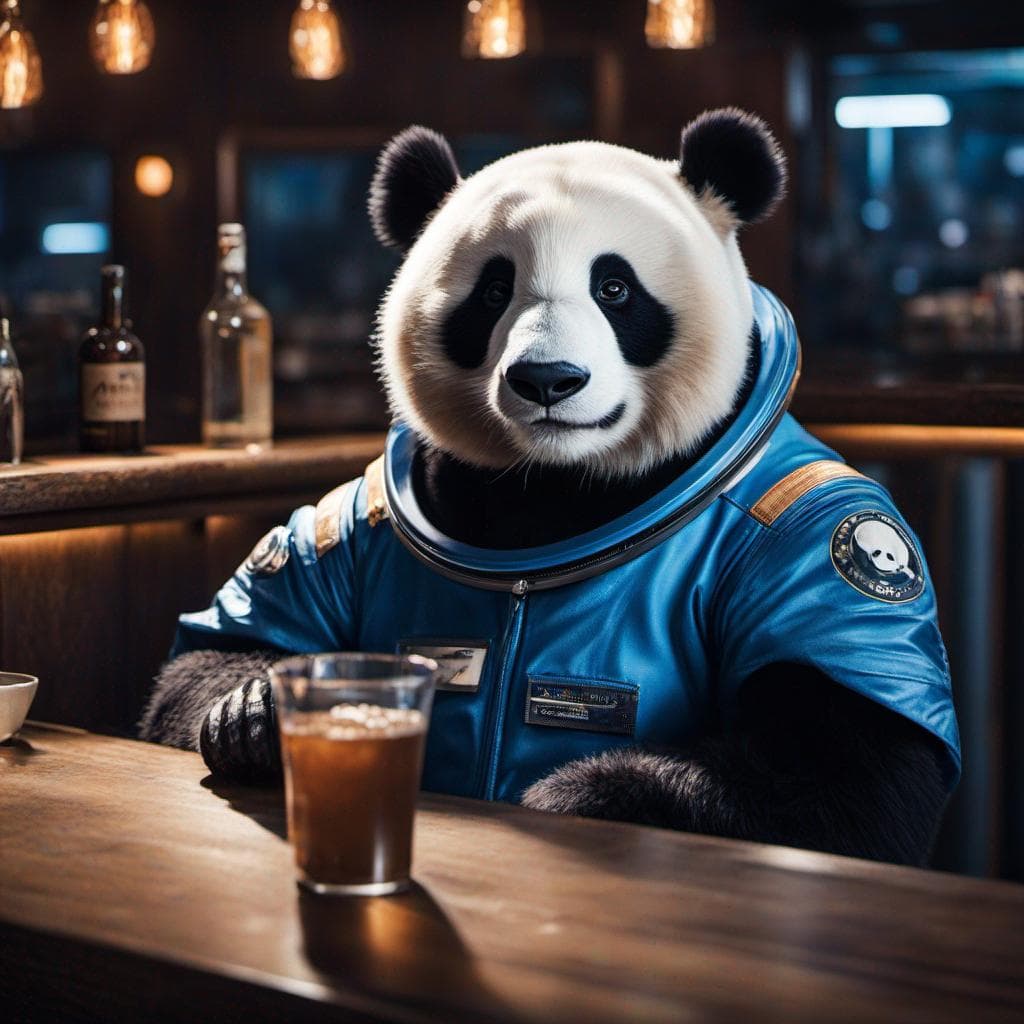
For Creative Freedom use detailed, descriptive prompts that specify mood, lighting, and action. Example: "Create a dynamic sequence of @Image1 piloting a futuristic @Image2 through a neon-lit cityscape at dusk."
-
For Precision Control use short and direct prompts, while focusing on the specific transformation. Example: "Rotate @Image1 360 degrees, slow zoom out."
-
Select Duration based on the platform: choose 5 seconds for quick social media clips or product demos; opt for 10 seconds to showcase complex movements or narrative sequences.
-
Consider Aspect Ratio as per the social platform: select 16:9 for YouTube and standard video platforms; 9:16 for TikTok and Instagram Stories; or 1:1 for balanced social feeds.
FAQs
What makes Kling Omni O1 different from other image-to-video models?
Kling Omni Video O1 specializes in preserving the core identity of the original subject, while supporting multi-image references. These aspects let the model combine multiple elements from different sources and maintain visual consistency throughout the animation.
Can I use multiple reference images in one video?
Yes, it is possible to use multiple URLs in the image_urls parameter and reference them in the prompt using @Image1, @Image2 notation to control how each image is incorporated.
What's the optimal video duration for most use cases?
5 seconds works well for social media content, product demos, and quick animations; 10 seconds will be ideal for storytelling, complex movements, or when you need more context.
How does prompt length affect output quality?
A detailed prompt enables creative interpretation and varied results in the output videos, while concise prompts deliver precise, predictable transformations; opt for the apt prompt length to match your approach to your use case.
Is the model suitable for production applications?
Kling Omni Video O1's API is optimized for stability with no cold starts, making it reliable for customer-facing applications, automated workflows, and high-volume processing.
What aspect ratio should I choose?
Use 16:9 for traditional video platforms and presentations; 9:16 for vertical mobile content (Stories, Reels, Shorts); and 1:1 for versatile social media posts.
Popular Models