Kling Omni Video O1: Image-to-Video Model
Edited by Segmind Team on January 26, 2026.
What is Kling Omni Video O1?
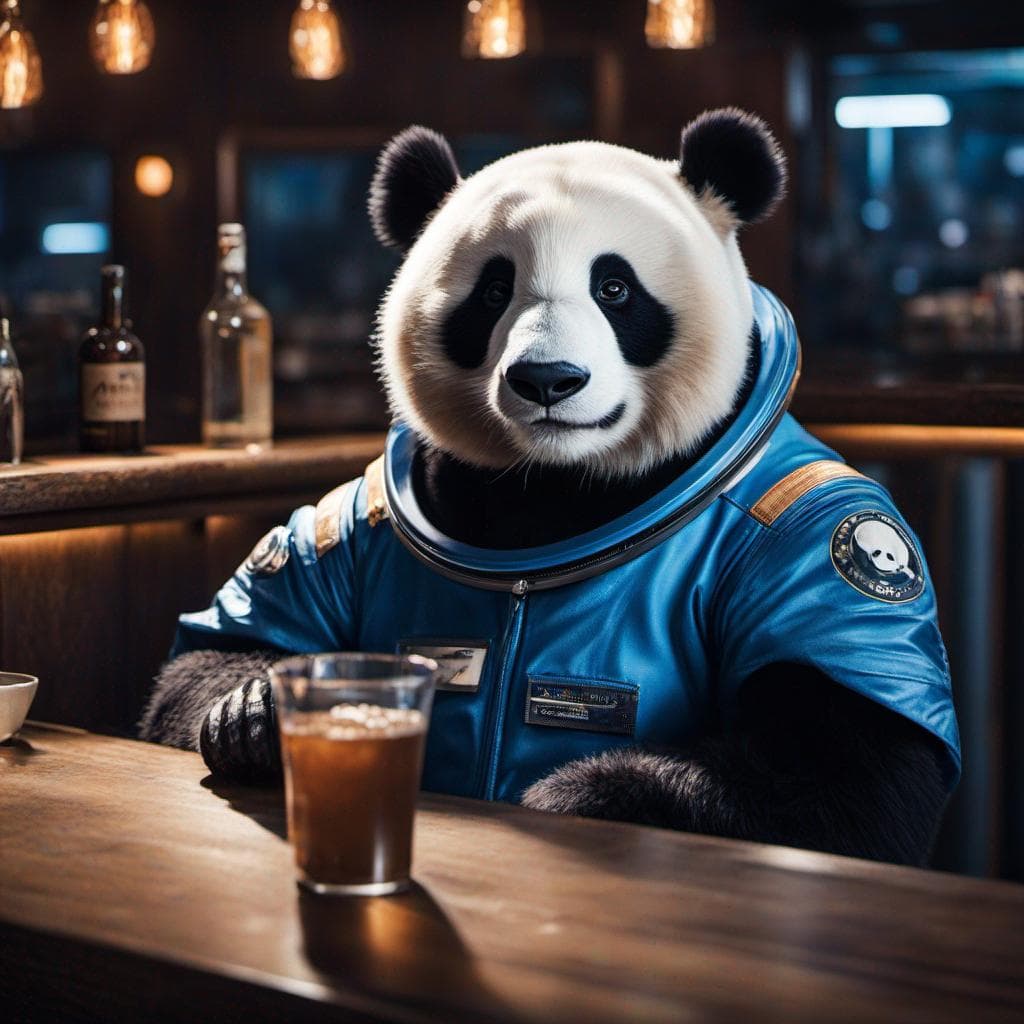
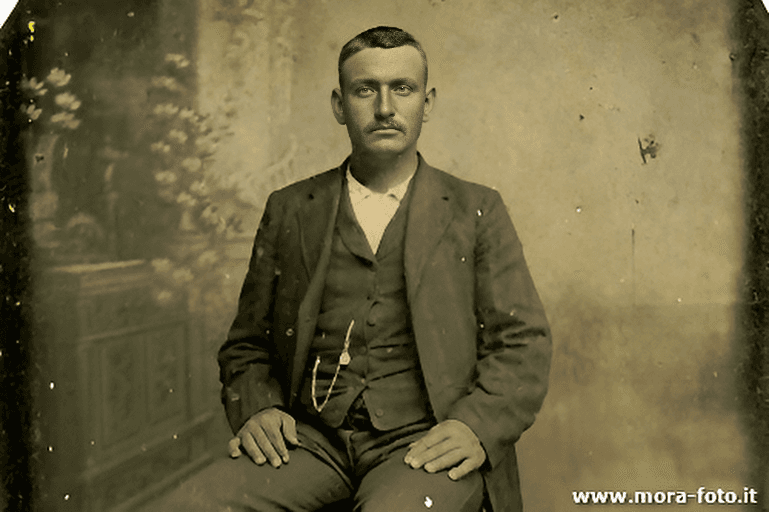
Kling Omni Video O1, by Kuaishou, is a cutting-edge image-to-video AI model that impressively brings still images to life by transforming them into cinematic animations while sticking to principles of physics for realistic output. It goes beyond conventional interpolation tools to effectively understand the nuances of scene dynamics to generate dynamic, realistic movements that appear authentic by 'respecting' the physics and spatial interactions. Kling Omni Video O1 is built with the Multi-modal Visual Language (MVL) technology, hence it perfectly upholds subject consistency, ensuring character identity, props, color tones, and lighting across the entire video sequence. All these aspects make this model an asset to developers who can harness its creative power through a REST API to produce professional-quality videos at scale and even within a limited timeline.
Key Features of Kling Omni Video O1
- Subject Consistency Preservation: It successfully maintains character identity, props, colors, and lighting across all frames.
- Physics-Based Motion: It is capable of generating realistic animations that follow natural movement patterns.
- Dual-Image Control: It accepts images for the start and (optional) end points for precise transformation guidance.
- Text-Guided Animation: It accepts prompts to control motion direction, camera angles, and scene dynamics.
- Flexible Duration Options: It offers the choice between 5-second (fast animations) or 10-second (slower, detailed) outputs.
- REST API Access: It has a production-ready endpoint with no cold starts for consistent performance.
- Cinematic Output Quality: It supports professional-grade video generation suitable for creative and commercial projects.
Best Use Cases
- Content Creation & Marketing: It is perfect to animate product shots, create dynamic social media content, or bring brand mascots to life while effectively maintaining a consistent visual identity.
- Film & Animation Pre-visualization: It becomes an invaluable asset to quickly prototype scene transitions, character movements, or camera angles before committing to full production.
- E-commerce & Retail: It will be a great tool to transform static product images into engaging visuals showing items in motion or use.
- Education & Training: It is a powerful tool to convert diagrams and illustrations into animated demonstrations of processes or transformations.
- Game Development: It is the go-to model to generate cutscene animations or concept videos from character art and environment designs.
Prompt Tips and Output Quality
- Effective Prompt Structure: Describe the transformation and the desired motion style to generate the best results. So, instead of "car moves," try the more descriptive prompt such as, "sleek sports car accelerates forward with motion blur, camera tracking from side angle."
- Image Quality Matters: Use high-resolution start images with good lighting and clear subjects, as better source images produce sharper, more detailed videos while preserving input quality.
- End Image Usage: Though it is optional, providing an end image gives the model a clear transformation target that further directs the results closer to your creative vision. This works particularly well for morphing effects or controlled state changes.
- Duration Selection: Choose 5 seconds for quick actions, product reveals, or high-energy animations; select 10 seconds for gradual transformations, slower camera movements, or narrative-driven scenes.
- Motion Specificity: It is always helpful to include camera angle descriptions ("dolly zoom," "pan left"), motion types ("gentle sway," "rapid spin"), and environmental effects ("wind blowing hair," "fabric rippling") for more controlled results.
FAQs
How does Kling Omni Video O1 differ from standard video interpolation?
Kling Omni Video O1 uses MVL technology to understand scene context and generate physics-based motion, thereby creating new frames with natural movement rather than morphing pixels; this aspect makes it significantly better than frame interpolation tools that simply blend between images.
Can I control camera movement separately from subject motion?
To achieve multi-layered control in camera movement, include camera directives in your prompt: e.g., "camera slowly zooms in," "tracking shot following subject", etc., alongside subject actions.
What image formats and resolutions work best?
Kling Omni Video O1 accepts standard web image formats via URL. To achieve the high-end results, use images with clear subjects, good contrast, and resolution of at least 1024px on the longest side.
Is an end image required for good results?
No, the model works well with only a start image and text prompt. You may add an end image for precise transformation control or specific final states.
How do I optimize for faster processing?
Select the 5-second duration option and ensure your start image URL is hosted on fast, reliable infrastructure to minimize upload time.
What happens to small details in the original image?
Kling Omni Video O1's subject consistency algorithms work efficiently to preserve fine details, textures, and color information throughout the animation; though extreme detail may soften slightly during rapid motion.
Popular Models