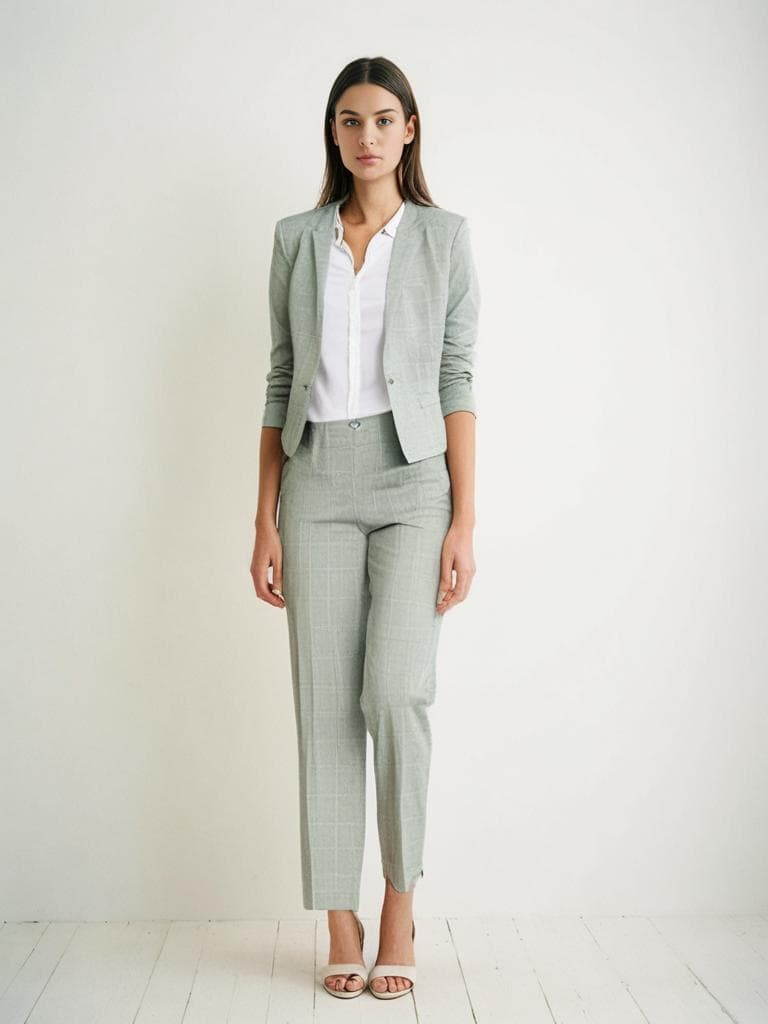
Kling 3.0: Image-to-Video Model
What is Kling 3.0?
Kling 3.0 is a generative AI video model that turns a starting image into a cinematic 1080p video with controllable motion and optional native, synchronized audio. It’s designed for creators and developers who want reliable image-to-video results—smooth camera movement, consistent subjects, and polished, film-like output—exposed through a developer-friendly API workflow.
On Segmind, this endpoint focuses on image-conditioned video generation: you provide a start_image_url (required), optionally guide motion and scene dynamics with a prompt, and fine-tune adherence, duration, aspect ratio, and audio generation.
Key Features
- Image-to-video generation anchored to a required
start_image_url - Cinematic motion control via natural-language prompting (camera moves, pacing, action)
- 1080p-style output optimized for realistic movement and visual coherence
- Optional synchronized audio with
generate_audiofor immersive clips - Shot control primitives using
end_image_urlfor directed transitions (advanced) - Prompt adherence tuning with
cfg_scale(advanced)
Best Use Cases
- Social and marketing content: product reveals, lifestyle loops, campaign creatives (9:16, 1:1, 16:9)
- Previsualization & story beats: quick motion studies from concept frames
- Brand storytelling: consistent hero shots starting from a keyframe
- Cinematic b-roll generation: nature, city, travel, and atmospheric scenes
- App features: “animate my photo,” avatar moments, and image-based reels
Prompt Tips and Output Quality
- Start with a high-quality, stable keyframe. Use a sharp, well-lit
start_image_urlto reduce flicker. - Write prompts as motion direction, not static description: “slow dolly-in,” “handheld shake,” “wind gusts,” “splashing water.”
- Use
duration(3–15s) for pacing: shorter for loops, longer for narrative movement. - Match composition to platform with
aspect_ratio(16:9,9:16,1:1). - If the model drifts from your intent, increase adherence with
cfg_scale(0–1). Mid values often balance realism and control. - Add a
negative_promptlike “blur, distort, low quality” to avoid common artifacts. - Use
end_image_urlto steer the ending frame and produce cleaner transitions.
FAQs
Does Kling 3.0 support text-to-video?
Kling 3.0 supports multiple modes broadly, but this Segmind interface is image-to-video with a required start_image_url.
How do I generate video with audio?
Set generate_audio: true to request synchronized audio.
What parameters matter most for quality?
Start with a strong start_image_url, then tune prompt, duration, cfg_scale, and negative_prompt.
How is Kling 3.0 different from other AI video models?
It’s optimized for cinematic motion, visual consistency, and native audio, with practical controls for structured outputs.
How do I control the final scene?
Provide an end_image_url to guide the last frame and improve transition stability.
Popular Models