Kling Standard Motion Control: AI-Powered Motion Transfer for Video Animation
What is Kling Motion Control?
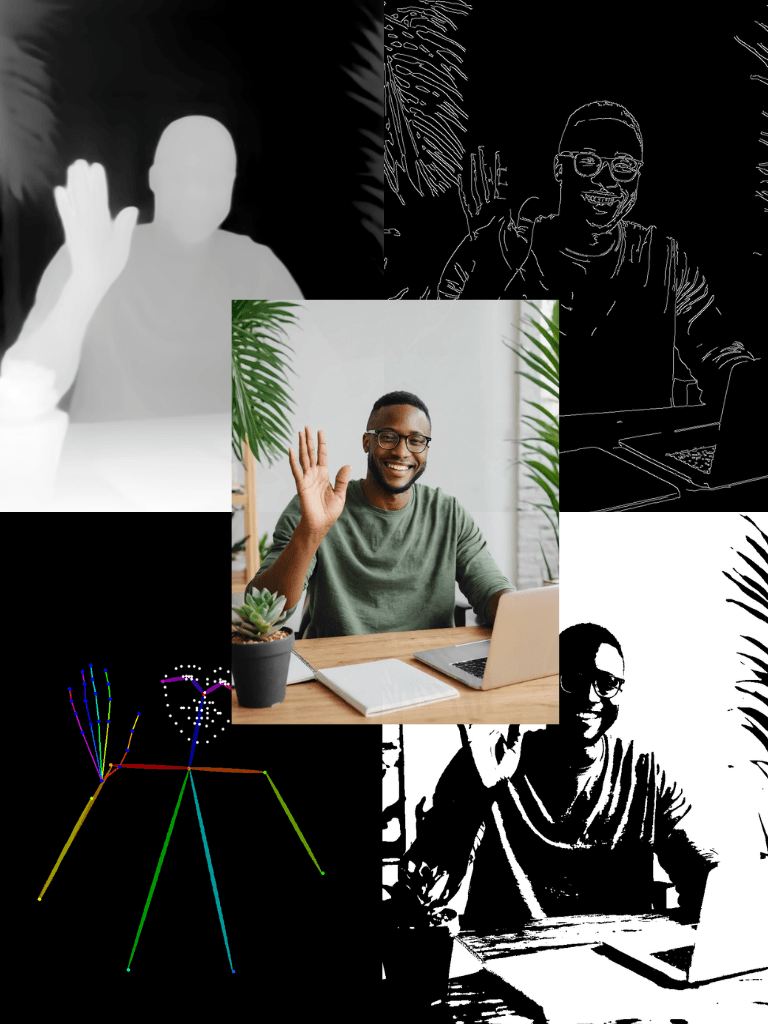
Kling Motion Control is an advanced motion transfer model built into Kling Video 2.6 Pro that extracts precise, full-body motion paths from reference videos and applies them to static character images. Unlike generic video animation tools, it delivers true motion fidelity with consistent character identity, detailed hand and gesture control, and support for both simple and complex movements. The model analyzes 3 to 30-second reference videos frame-by-frame, preserving the subtleties of human motion—including walking, dancing, hand gestures, and facial expressions—then seamlessly transfers that motion to your custom character while maintaining their visual appearance and personality.
Key Features
- Precise Motion Extraction: Captures full-body motion paths, including intricate hand gestures and facial movements, from reference videos
- Character Identity Preservation: Maintains consistent character appearance, style, and visual details throughout the animation
- Flexible Motion Control: Supports both fast, dynamic actions (breakdancing, sports) and slow, subtle movements (waving, talking)
- Audio Preservation Option: Retains original video audio for authentic, synchronized animations
- Dynamic Camera Support: Allows camera movement alongside character motion for cinematic effects
- Orientation Flexibility: Choose between video-based or image-based character orientation for creative control
Best Use Cases
Kling Motion Control excels in professional workflows requiring precise, repeatable character animation:
- Brand Mascots & Marketing: Animate brand characters with consistent motion across campaigns
- Storyboarding & Previsualization: Test character movements before full production
- Social Media Content: Create viral-ready character videos with trending dance moves or reactions
- Character Design Workflow: Preview how concept art translates to motion before final rigging
- Educational Content: Demonstrate movements, instructions, or demonstrations with custom characters
- Product Demonstrations: Show products in action through animated spokespersons
Prompt Tips and Output Quality
Crafting Effective Prompts:
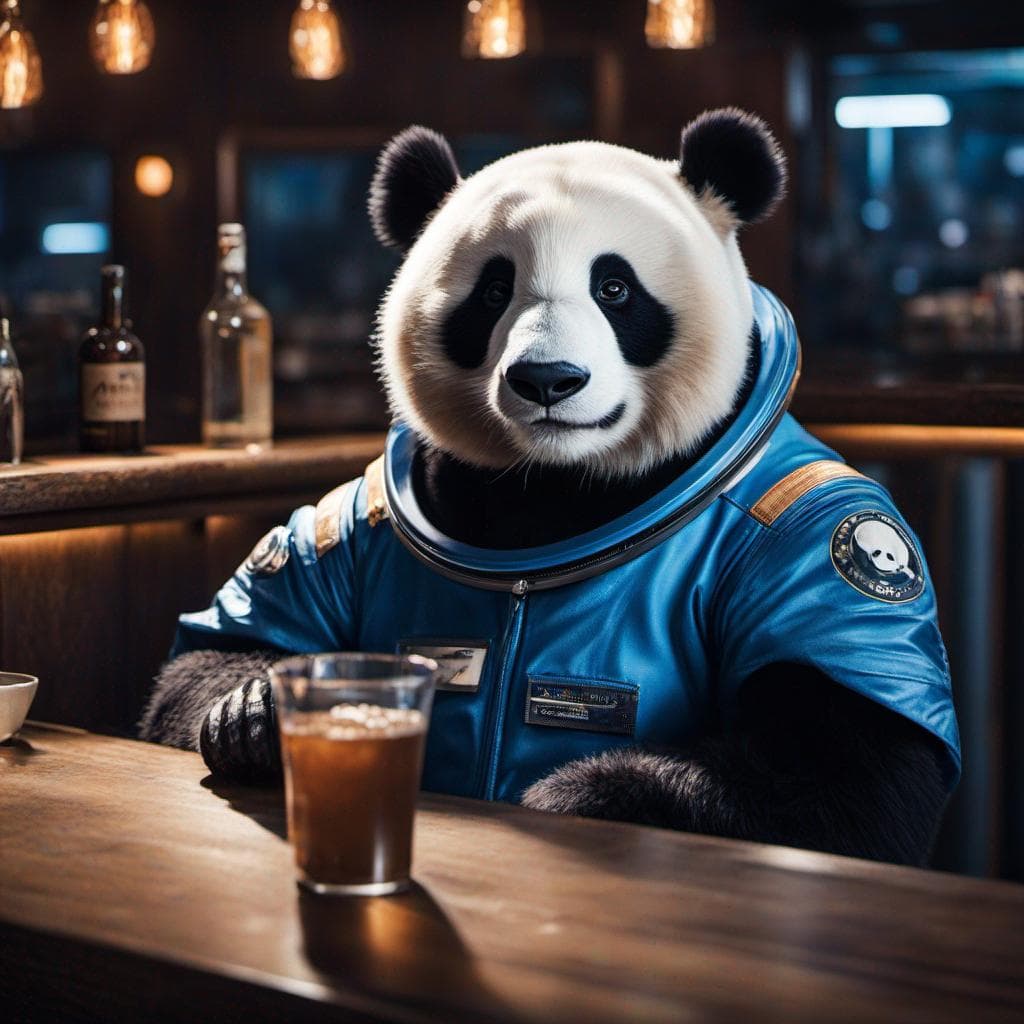
- Describe the scene mood and environment, not just the action: "A robot breakdancing in a neon-lit warehouse" works better than "robot dancing"
- Use playful, descriptive language for dynamic scenes: "energetic," "graceful," "chaotic"
- Reference lighting and atmosphere when needed: "soft lighting," "dramatic shadows"
Reference Video Selection:
- Use full-body videos (3-30 seconds) for complex motions
- Ensure good lighting and clear visibility of the subject
- Choose videos where the motion you want is prominent and unobstructed
Parameter Tuning:
- Character Orientation: Set to "video" for dynamic, scene-matching movement; "image" for maintaining your character's original pose direction
- Keep Original Sound: Enable for dance videos, performances, or when audio timing matters; disable for silent animations
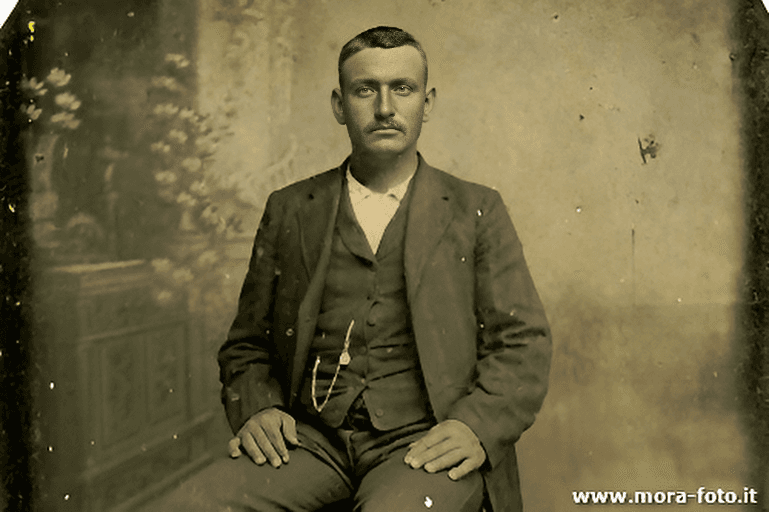
- Image Quality: Use high-resolution, clear images with good contrast for best motion transfer accuracy
FAQs
What file formats does Kling Motion Control support?
Standard image formats (JPG, PNG) for character input and common video formats (MP4, MOV) for motion reference.
How is Kling Motion Control different from other animation AI models?
Unlike generic video generators, Kling Motion Control preserves exact motion paths from reference videos while maintaining your character's visual identity. It focuses on motion transfer accuracy, not generating random movements.
What makes a good reference video?
Full-body visibility, clear lighting, unobstructed movement, and 3-30 second duration. Complex actions require the subject to be centered and fully visible throughout.
Can I use real human videos as motion references?
Yes—human motion videos work exceptionally well. The model extracts the motion path and applies it to any character style, from realistic to cartoonish.
Should I toggle character orientation to 'video' or 'image'?
Use "video" when you want your character to match the reference subject's facing direction and movement flow. Use "image" to maintain your character's original orientation while applying the motion.
Does audio preservation affect video quality?
No—keeping original sound is purely an audio option. It maintains the reference video's audio track without impacting visual quality or motion accuracy.
Popular Models